Announcements
Power, Privacy, and Free Speech: Inside Afroman’s Ongoing Fight for Justice

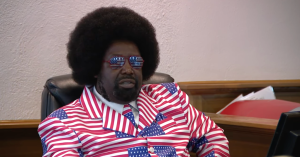

Few artists have turned personal conflict into public dialogue quite like Afroman.
What began as a police raid has now become a defining legal and cultural battle.
The Incident That Started It All
In 2022, law enforcement entered Afroman’s home in Adams County under suspicion of serious crimes.
The result?
Nothing.
No charges were filed, but the aftermath included:
-
Property damage
-
Allegations of mishandled evidence
-
No formal apology
A New Kind of Response
Instead of silence, Afroman used creativity.
He transformed surveillance footage into music videos—turning his experience into something the public could see and hear.
Songs like “Why You Disconnecting My Video Camera” became both entertainment and protest.
The Lawsuit That Followed
The response triggered legal action from officers who appeared in the footage.
They argue the videos crossed legal lines. Afroman argues the opposite—that his work is protected under the United States Constitution.
Key Legal Questions
This case raises critical issues:
-
Do you own the footage recorded in your home?
Generally, yes—but usage can still be challenged depending on context. -
Do police have privacy during a raid?
Often limited, especially while performing official duties. -
Is satire protected?
Yes, but not if it crosses into provable defamation.
Music as Resistance
Afroman’s latest songs continue to push boundaries, including:
-
“Freedom Of Speech”
-
“Randy Walters Is A Son Of A Bitch”
-
“Judge Jackass Jonathan”
Each release reinforces his stance: he believes he is exercising his rights.
Final Thoughts: A Case That Could Set Precedent
This situation could have long-term implications for:
-
Artists
-
Content creators
-
Everyday citizens with surveillance systems